Dangerous Goods (DG) Logistics
Safe, Controlled & Fully Compliant Hazardous Cargo Transportation
Transporting dangerous goods is one of the most regulated and technically demanding areas of international logistics. Hazardous materials require strict compliance with international conventions, precise documentation, certified packaging, and coordinated carrier approvals. Any deviation from regulatory standards can result in shipment rejection, heavy penalties, operational disruption, or serious safety risks.
At Techno Freight Pakistan, our Dangerous Goods (DG) Logistics service is structured around safety, compliance, and risk mitigation. We manage hazardous cargo with disciplined procedures aligned with international regulations, ensuring your shipments move securely across sea, air, and inland transport networks.
From classification and documentation to packing, labeling, and carrier coordination, every stage is carefully supervised by trained professionals who understand the complexities of hazardous cargo transport.
Our priority is clear: protect people, cargo, and the environment while maintaining uninterrupted logistics flow.

Safe and Compliant Transportation Aligned with International Standards
Dangerous goods are regulated under globally recognized frameworks such as the International Maritime Organization (IMO) regulations for sea transport and international aviation standards for air cargo.
Compliance is not optional — it is mandatory.
Our DG logistics process begins with regulatory alignment. We review cargo specifications to confirm hazard classification, transport eligibility, packaging requirements, and carrier acceptance conditions. By ensuring full compliance at the preparation stage, we prevent shipment delays and regulatory violations.
We work closely with certified packers, approved carriers, and port authorities to guarantee that hazardous cargo is handled in accordance with safety standards.
IMO-Classified Cargo Handling
Managing Hazard Classes with Precision
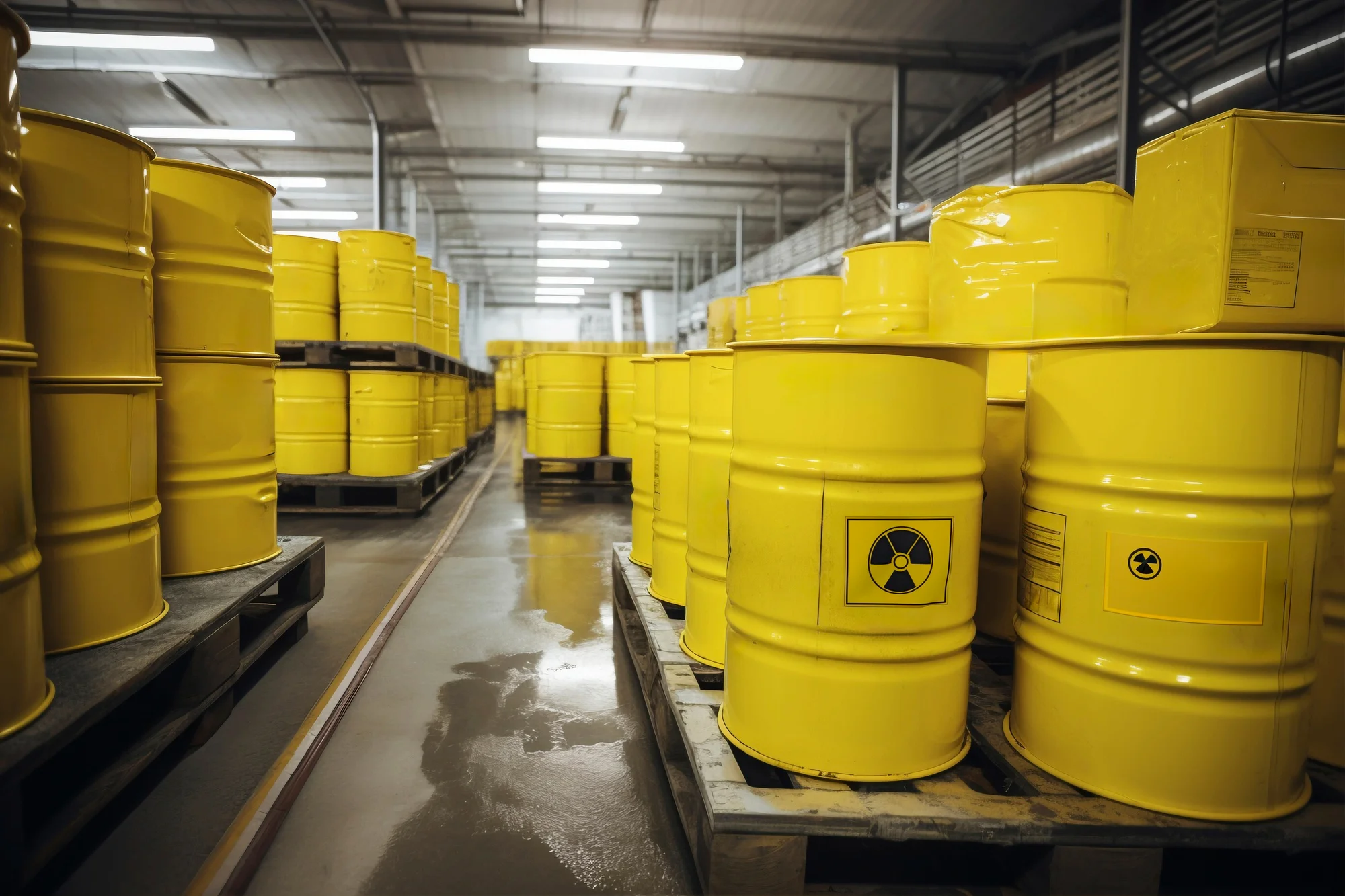
Dangerous goods are categorized into various hazard classes based on their properties, including flammable liquids, corrosive substances, explosives, toxic materials, oxidizers, and more.
Handling IMO-classified cargo requires:
- Accurate hazard classification
- Segregation planning
- Stowage compatibility review
- Emergency response consideration
- Regulatory documentation verification
Our team evaluates each shipment based on its hazard class and ensures compliance with transport guidelines for that category.
Improper segregation of incompatible dangerous goods can result in serious risks during transit. We carefully assess compatibility charts to prevent unsafe loading combinations within containers or transport units.
From warehouse handling to vessel loading, every step follows structured safety procedures.


UN Identification & MSDS Review
Technical Documentation Accuracy
Every dangerous goods shipment must be identified with a UN number that corresponds to its specific hazard classification. Correct UN identification is essential for regulatory approval and safe transport planning.
Our DG compliance team conducts:
- UN number verification
- Hazard class confirmation
- Packing group identification
- Proper shipping name validation
- Material Safety Data Sheet (MSDS) review
The MSDS provides critical information about chemical composition, hazard characteristics, emergency procedures, and handling requirements. We thoroughly review MSDS documentation to confirm that all shipment details align with declared classifications.
Inaccurate documentation is one of the primary causes of DG shipment rejection. Our structured review process minimizes this risk and ensures documentation accuracy before submission to carriers or authorities.
Certified Packing & Labeling
Meeting International Packing Standards
Dangerous goods must be packed according to strict international guidelines that specify approved packaging materials, container types, and performance standards.
We coordinate certified packing solutions that meet regulatory requirements for:
- Approved UN-rated packaging
- Inner and outer packaging compliance
- Absorbent material inclusion where required
- Leak-proof containment
- Pressure-tested containers when applicable
Proper labeling is equally critical. Dangerous goods shipments must display hazard labels, UN markings, handling instructions, and orientation arrows when required.
Incorrect labeling can result in shipment refusal or regulatory penalties. Our team ensures that packaging and labeling comply with applicable international transport regulations before cargo dispatch.
Secure Container Stuffing
Controlled Loading & Risk Mitigation
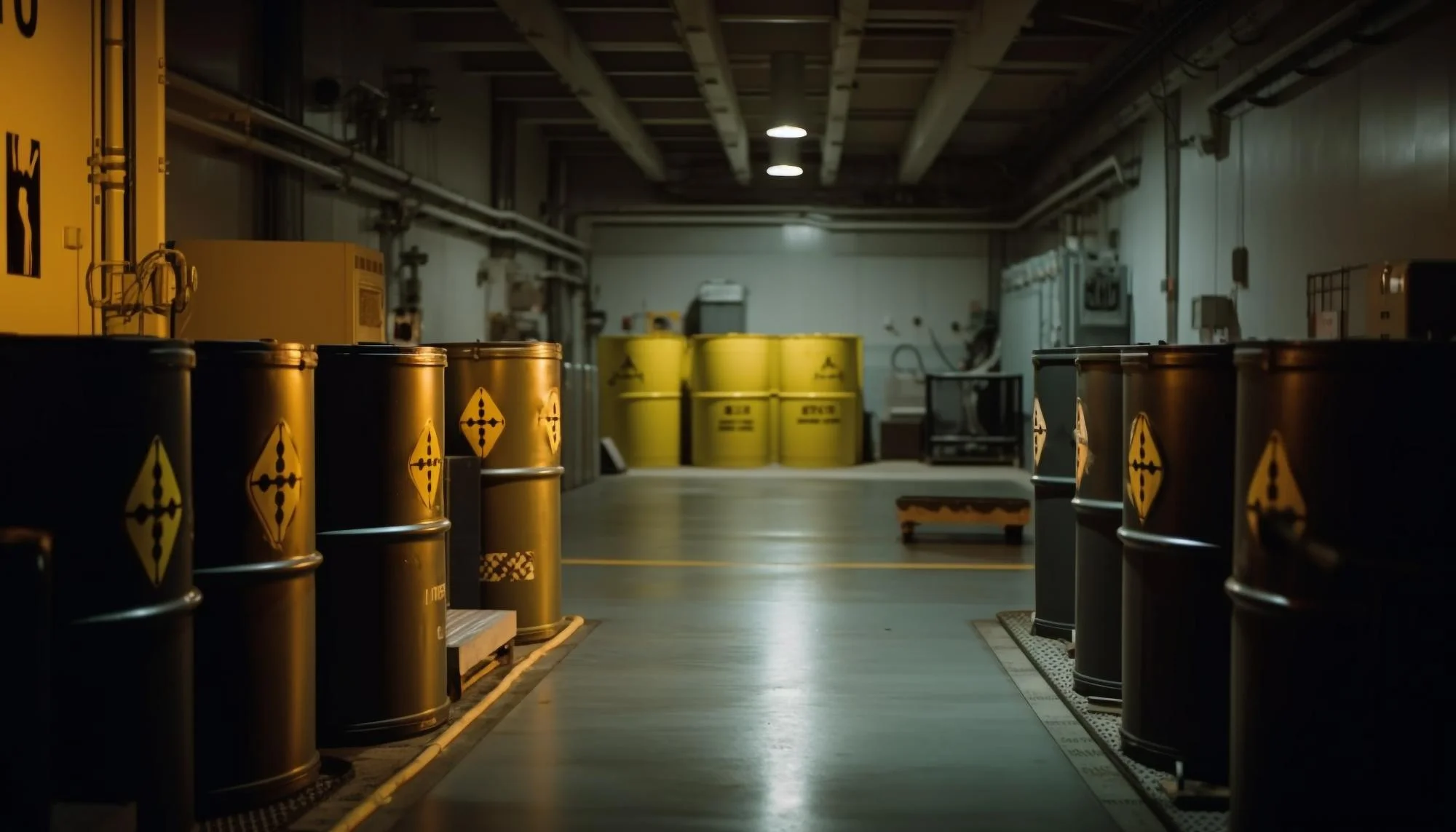
The container stuffing stage is one of the most sensitive phases in dangerous goods logistics. Improper loading can lead to cargo instability, leakage, or safety hazards during transport.
We implement structured stuffing procedures including:
- Compatibility verification
- Secure lashing and bracing
- Segregation compliance
- Ventilation considerations
- Weight distribution balancing
Supervised container stuffing ensures that hazardous cargo is positioned correctly and secured to prevent movement during transit.
We also ensure that container placards are applied in accordance with regulatory standards before port entry.
Safety during stuffing is not only about regulatory compliance — it is about preventing potential incidents that could impact transport personnel and infrastructure.
Approved Carrier Coordination
Ensuring Acceptance & Transit Approval
Not all carriers are authorized or willing to transport dangerous goods. Carrier selection must align with cargo classification, route restrictions, and international regulations.
Our DG logistics service includes:
- Approved carrier identification
- DG booking coordination
- Carrier documentation submission
- Pre-acceptance review
- Route approval confirmation
We coordinate closely with shipping lines and airlines that are certified to handle hazardous cargo. Prior to booking confirmation, we submit required documentation for carrier review and approval.
This pre-approval process ensures that cargo will not face rejection at terminal gates or airport acceptance counters.
In addition, we evaluate route restrictions and transit regulations, especially for shipments that may pass through multiple jurisdictions.


Risk Management & Safety Oversight
Dangerous goods transport inherently involves higher risk. Our operational framework is designed to minimize exposure at every stage.
Risk mitigation measures include:
- Pre-shipment compliance audits
- Documentation cross-verification
- Emergency response information availability
- Secure storage arrangements
- Transport monitoring
By maintaining strict compliance and procedural discipline, we protect cargo integrity and ensure safe transit.
Multimodal DG Transport Coordination
Hazardous cargo often requires coordination across sea, air, and inland transport modes. Each mode has specific regulatory frameworks and documentation requirements.
We ensure seamless multimodal integration by aligning compliance standards across all transport stages.
Our team confirms that labeling, packaging, and documentation remain valid for each segment of the journey.
This integrated oversight prevents regulatory gaps and ensures continuous compliance.


Industry-Specific Hazardous Cargo Experience
Different industries generate different types of dangerous goods, including chemicals, industrial materials, energy-related products, and specialized manufacturing components.
Our experience across various trade sectors enables us to anticipate regulatory challenges and provide proactive solutions.
We understand that delays in hazardous cargo transport can impact production schedules and commercial commitments. Our structured processes are designed to maintain shipment reliability without compromising safety.
Compliance-Driven Logistics with Operational Discipline
Dangerous Goods Logistics requires more than transport coordination. It demands regulatory knowledge, safety awareness, documentation accuracy, and carrier collaboration.
At Techno Freight Pakistan, we combine technical compliance expertise with structured execution control to deliver safe and reliable hazardous cargo movement.
Our service is built on:
- Regulatory alignment
- Certified packing standards
- Precise documentation
- Secure container handling
- Approved carrier partnerships
- Continuous risk management

Move Hazardous Cargo with Confidence
If your business handles IMO-classified materials or regulated hazardous goods, you need a logistics partner who understands the complexity of DG transport.
Provide us with your product details, UN identification, MSDS documentation, origin, and destination requirements — and our specialists will develop a compliant and secure transport plan tailored to your shipment.
Dangerous goods demand precision and responsibility. With disciplined procedures and regulatory expertise, we ensure your cargo moves safely, legally, and efficiently across international supply chains.